
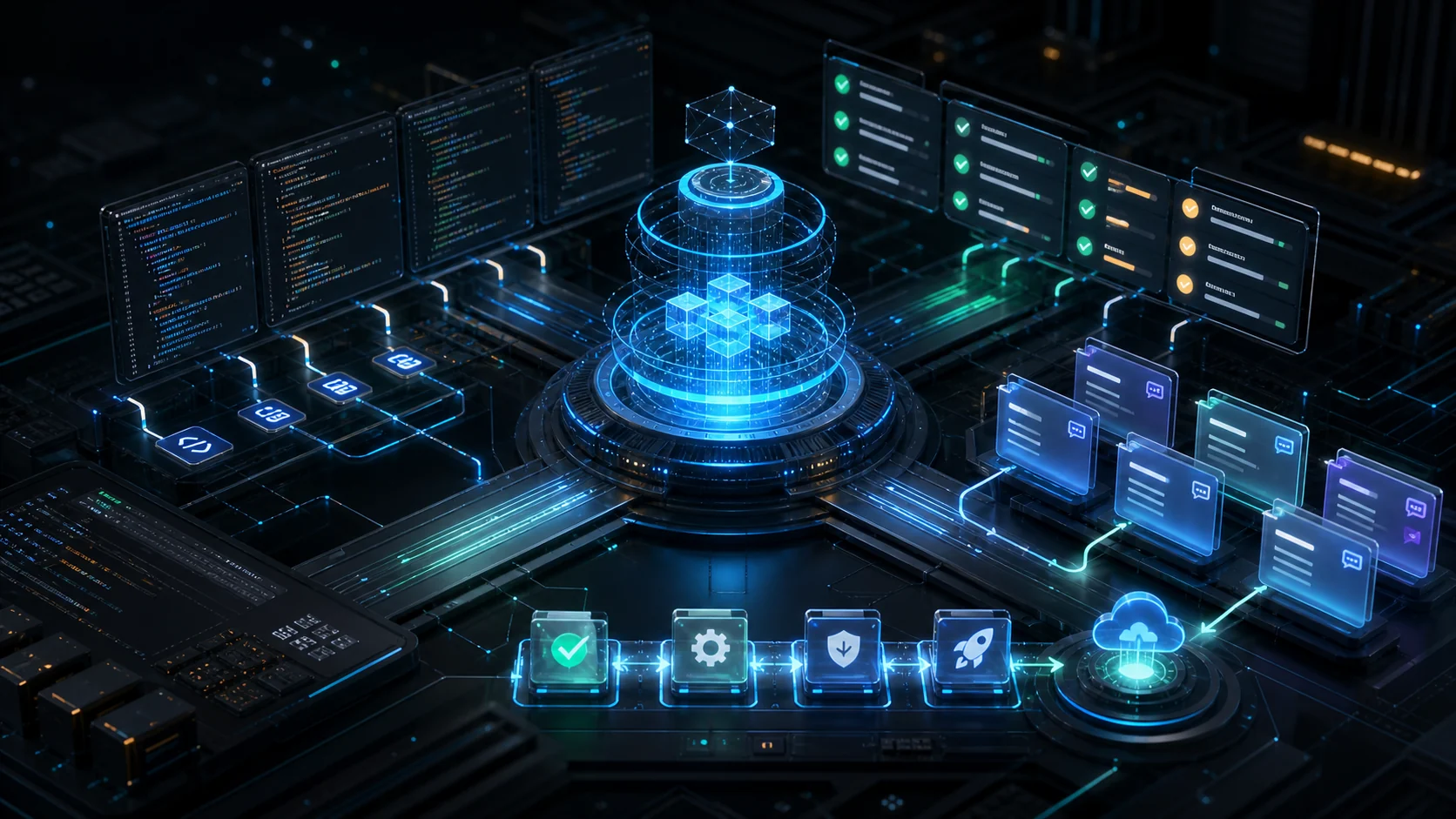
Codex-style development is changing shape. Early AI coding felt like a faster autocomplete or a smarter answer box. The current direction is more ambitious: a coding agent that can stay inside a repository, inspect the surrounding system, use tools, run tests, and refine its plan as evidence changes.
That changes what infrastructure has to do. A short answer can be billed and logged as a simple request. A longer software run needs a stronger envelope around it: stable authentication, route consistency, clear token records, safe local tool execution, and an easy way for the user to resume from their own machine.
The important shift is time horizon
A long-running coding agent is useful only if it keeps the thread of work intact. It needs to understand why a test failed, what changed since the last edit, which files are safe to touch, and when a human should approve the next step. If the model is powerful but the setup is fragile, the session still fails in practice.
This is why local CLI compatibility matters. Developers want the AI model to help with the code, but they do not want their project to become a remote black box. Files, terminal commands, git state, and editor context should remain on the client machine while the model API supplies the intelligence behind the session.
The practical winners will be the tools that combine strong models with boring reliability. Fast install, visible spend, predictable routes, and clean resume behavior are what let a long-running coding agent become part of daily engineering work.